Deutsch Amerikansiche Freundschaft started as a five-piece
industrial and
noise outfit in Düsseldorf in 1978, but ultimately narrowed down to a two-man group consisting of vocalist Gabi Delgado and drummer and electronic musician Robert Görl. Released on the German AtaTak label in 1979 and later re-issued on Mute, the album "Ein Produkt der D.A.F." marks the beginning of German industrial music: the first recordings by
Einstürzende Neubauten two years later bear a striking resemblance. By the release of their first album, Delgado and Robert Görl had already decided to split off the larger group, which re-formed as
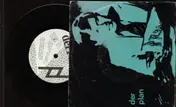
Der Plan without them. Their anger and ferocity was remarkable even in the heyday of
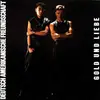
punk. "Die Lustigen Stiefel Marschiren über Polen," ("The Funny Little Boots Are Marching over Poland') was an angry, atonal disco song about the invasion of Poland by the Nazis; such material was deliberately calculated as offensive in the politically liberal, historically humiliated, terrorist-plagued society in Germany around 1980. Later, the duo moved from punk to what they called "Electronic Body Music" or EBM. With "Alles Ist Gut", they produced an electronic dance album that can be considered state of the art for 1981, and "Der Mussolini" became an international hit and a monster in the dance clubs. Despite their innovations, solid technical ability and raves from the critics, D.A.F. were certainly never ready for prime time. When other artists in the club genre were struggling around the issue of alternative sexuality, D.A.F. were fairly open about it -- their album covers were outwardly homoerotic and lyrics often dealt with sadomasochism. While D.A.F.'s big, industrial-inspired dance sound certainly had some measure of commercial potential, the group were way ahead of their time. Although their impact on the emergent forms of
house and
techno was huge, they never achieved the recognition they so richly deserve.