Betty Davis was one of the most radical and uncompromising figures in
funk history. Emerging in the late 1960s, she forged a sound that blended
deep funk grooves,
hard rock edge, and a fiercely assertive persona that challenged both musical and social norms of the time. As a songwriter, she had a sharp ear for rhythm and attitude, crafting songs that were raw, provocative, and driven by pulse rather than polish.
In the early 1970s she released three albums—Betty Davis (1973), They Say I’m Different (1974), and Nasty Gal (1975)—now regarded as cult classics. Backed by some of the era’s top session musicians, her records were heavy, stripped-down, and unapologetically sexual, often clashing with radio standards and industry expectations. Commercial success remained limited, but the artistic impact was undeniable.
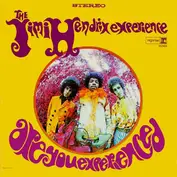
Betty Davis moved within an extraordinary creative orbit that included
Jimi Hendrix and Sly Stone, and her influence on
Miles Davis during his electric period is well documented—both musically and stylistically. After stepping away from music in the late 1970s, she disappeared from the public eye, allowing her work to gain mythic status. Today, her catalog is celebrated for its originality and power, revered by
funk collectors and modern artists alike as music that was not just ahead of its time, but unconcerned with time altogether.