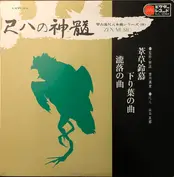
Hozan Yamamoto was one of the most influential figures in modern Japanese music, a master shakuhachi player who expanded the instrument far beyond its traditional boundaries. Trained in classical and Zen repertoire, he became equally known for his curiosity and openness, bringing the bamboo flute into
jazz, contemporary composition,
film music, and experimental settings from the 1960s onward.
He collaborated with a strikingly wide range of artists, from Japanese avant-garde composers to international jazz musicians, and was a key bridge between traditional Japanese sound worlds and postwar modernism. Yamamoto worked closely with figures such as
Toru Takemitsu and appeared on numerous cross-genre recordings that are now prized by collectors for their subtle textures and quiet intensity.
Despite his technical mastery, his playing was never about virtuosity for its own sake. Albums like A-Un Jūmonji reveal a deep attention to space, breath, and atmosphere, where silence carries as much weight as sound. Revered by purists and experimental listeners alike, Hozan Yamamoto remains a central figure for anyone interested in how ancient instruments can speak fluently in a modern musical language.